A home shouldn't only look beautiful — it should feel calm, comfortable, and easy to live in. That's why Scandinavian interior design has become popular with so many homeowners: it creates simple, peaceful, useful spaces.
The style focuses on clean lines, natural materials, soft colours and practical furniture. It avoids over-decoration and keeps the home organised — every item has a purpose, every corner is planned to make daily life easier. Although it started in Nordic countries, it works well for Indian homes too, once adapted to your own climate, space and lifestyle rather than copied wholesale.
What makes it unique
Scandinavian homes are known for their simple look and warm feeling — minimal at first glance, but with every detail chosen for a reason. The style mainly rests on three things: simple colours, useful furniture, and comfortable spaces. The aim isn't an empty room; it's a balanced home where every item feels valuable and easy to live with.
Choosing the right colours
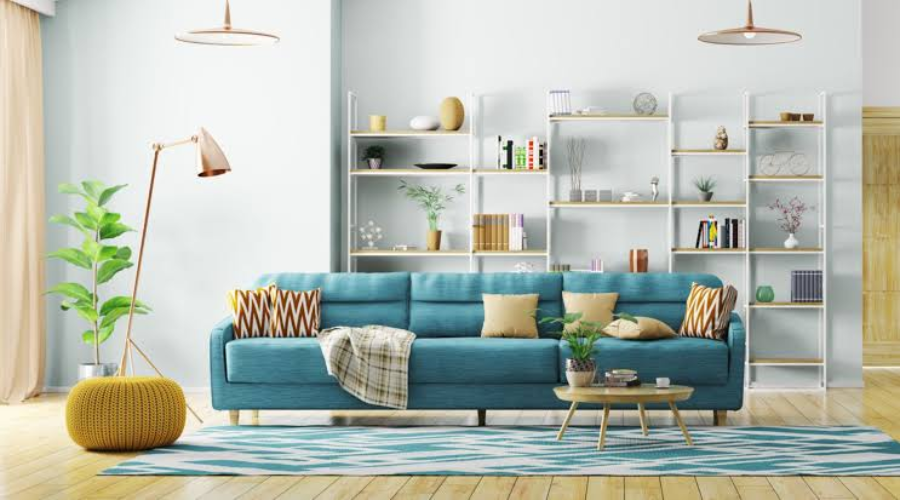
Scandinavian spaces usually lean on soft shades — white, cream, beige, light grey, warm brown — that make rooms feel bright and open while letting furniture and textures stand out.
Indian homes get strong sunlight year-round, though, so pure white walls can feel too sharp. Warmer shades like ivory, sand, warm white and soft grey create a gentler look, reflecting light without feeling cold. A few small dark details — a black lamp, a wooden frame, a dark handle — bring useful balance to the room.
Selecting furniture that adds value
Furniture here shouldn't just look good, it should make the home more useful. Scandinavian pieces tend toward simple shapes and smart function over heavy design: a storage bench doubles as seating, a bed with drawers keeps the bedroom organised, a compact dining table saves space in a smaller home.
Choose clean lines and light finishes, and resist adding too many large pieces — the approach is fewer items, better quality, rather than more of everything.
Adding warmth through fabrics and textures
Simple spaces need warmth to feel welcoming. In colder countries that means thick wool and heavy rugs, but these don't always suit Indian weather. Cotton, linen, jute and khadi are lighter, more comfortable choices that are easier to maintain here.
Soft cushions, simple curtains and natural rugs make a room feel cosy, and Indian handmade fabrics add a local touch. Mixing modern design with traditional materials creates a home that feels personal rather than imported wholesale.
Making small homes feel bigger
Many Indian apartments have limited space — good news, since this style is built around smart space planning rather than square footage.
- Choose furniture with built-in storage space
- Keep walking areas open
- Use light wall colours
- Avoid over-decorating
- Select furniture with simple, uncomplicated shapes
Mirrors help too — they reflect light and make a room feel larger. Using similar colours across different rooms also creates a smoother flow, so the whole home feels more connected.
Using natural materials
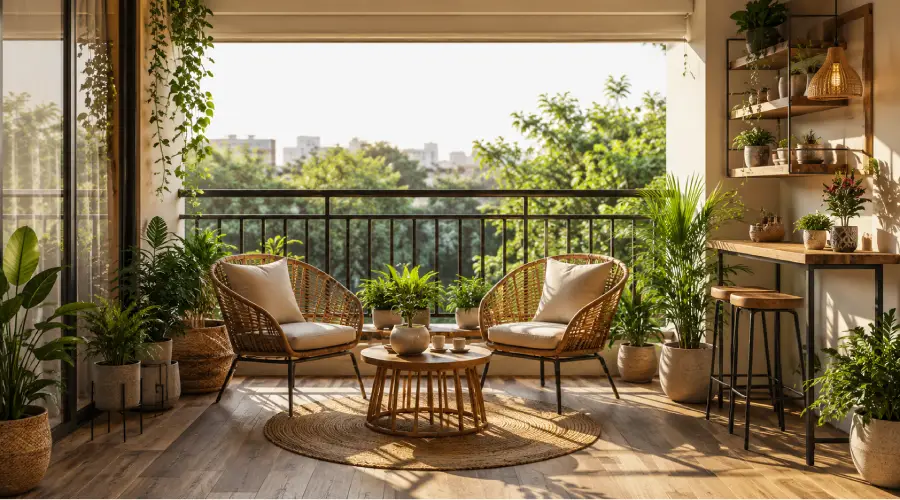
Natural materials add warmth and a connection to nature. Wood is central to the style — Indian options like mango wood and sheesham create a similar effect to the Nordic originals. Wooden furniture, cane chairs, rattan baskets and stone details all add character, and plants bring freshness that makes indoor spaces feel more alive.
Creating better lighting
Lighting changes the mood of a home more than almost anything else. Relying on one bright ceiling light tends to make rooms feel flat — Scandinavian homes layer light instead:
- A main ceiling light
- A floor lamp near seating areas
- A table lamp for corners
- Warm decorative lights
Warm white light, around 2700K–3000K, suits bedrooms and living rooms best for a relaxed evening feel. Natural light matters too — light curtains let sunlight in while keeping privacy.
Keeping decoration simple
Decoration adds personality, but too many items make a home feel crowded. The idea is to keep only what's useful and meaningful — a family photo, a handmade vase, an indoor plant, one simple artwork — rather than filling every surface. The goal is a home that feels comfortable, not a room that looks like a showroom.
Adapting the style for Indian homes
A common mistake is copying a design without considering local needs. Indian homes have different weather, lifestyles and space requirements, so heavy materials or literal imports may not work well. The better approach: breathable fabrics, practical furniture, and colours suited to Indian sunlight. Good design isn't only about appearance — it's about a space that actually works for you.
Final thoughts
Scandinavian interior design is more than a decoration trend — it's a way of building homes that feel calm, practical and welcoming. It teaches you to remove unnecessary clutter and focus on what truly matters: not more items, but the right ones. For Indian homes, this style works best when adapted properly — the right colours, materials, furniture and lighting can create a genuinely comfortable space, one small change at a time.
If you want to bring Scandinavian interior design into your home, experienced interior designers can help you shape it around your budget, lifestyle and personal taste.
Ready to try this style at home?
Share your space with an owner — we'll help you adapt this look to your rooms, your light, and your budget.